


Practical application and project-based learning
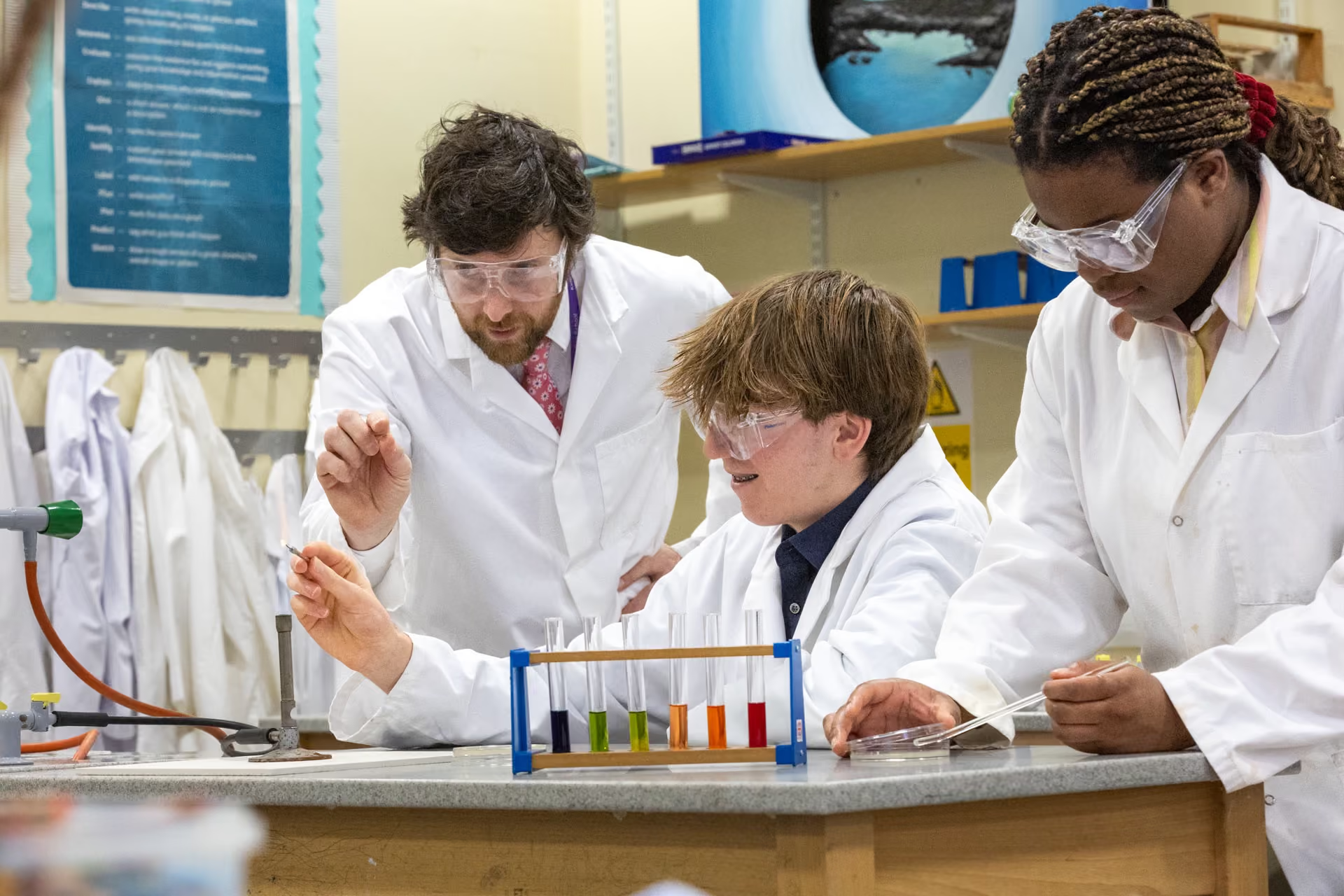
STEM runs in pathway sessions as part of the Expansive Curriculum, so it reaches every pupil. Through project-based learning in coding, robotics, engineering and design, pupils tackle real problems, test ideas and build things, developing the curiosity, resilience and imaginative problem-solving they need for a changing world.
A vivid way into the science
Kingsley holds the Space Education Gold Quality Mark. Working with STEM ambassadors such as the industry leaders Krempel, pupils collaborate on projects for European Space Agency competitions, hunting for tardigrades, astro-farming and analysing rock samples for signs of life.
The pathway grows with a pupil
In the Prep School, STEM foundations are enriched through programmes such as robotics. In the Senior School the pathway connects to the Core Curriculum subjects that take it further: Science, Mathematics, Computer Science, Engineering (BTEC) and iMedia. At GCSE, Kingsley’s science results place the school in the top 10% nationally.
STEM sits at the heart of Kingsley’s Future Skills focus. The curiosity, resilience and problem-solving pupils build here are what universities and employers look for, and a pupil can follow an interest sparked in a pathway session all the way to a qualification.
Frequently asked questions
What is the STEM Pathway?
A timetabled part of the Expansive Curriculum where every pupil does hands-on, project-based science, technology, engineering and maths.
What do pupils do?
They tackle real problems, test ideas and build things across coding, robotics, engineering and design. Science projects have included entries for European Space Agency competitions, astro-farming and analysing rock samples for signs of life.
What is the Space Education Quality Mark?
A national award for excellence in space-related education. Kingsley holds it at Gold level.
 Northdown Road, Bideford