
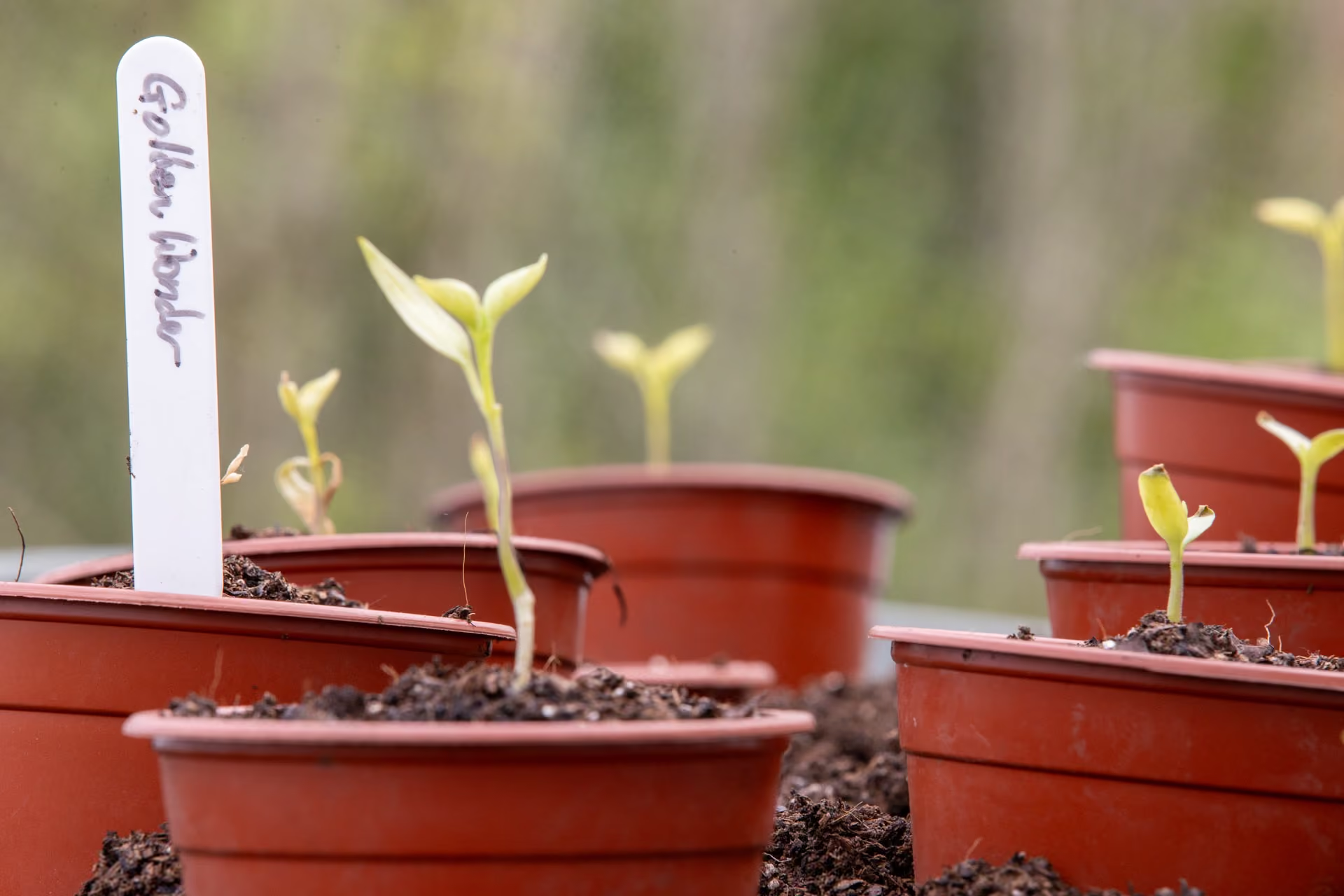
Sustainability in schools, taught by doing
Earth Centre concepts run through Kingsley's Core and Expansive Curriculum, from Key Stage 1 to Key Stage 5. Pupils meet sustainability in all of their subjects and take on project-based learning about real environmental problems and their solutions.
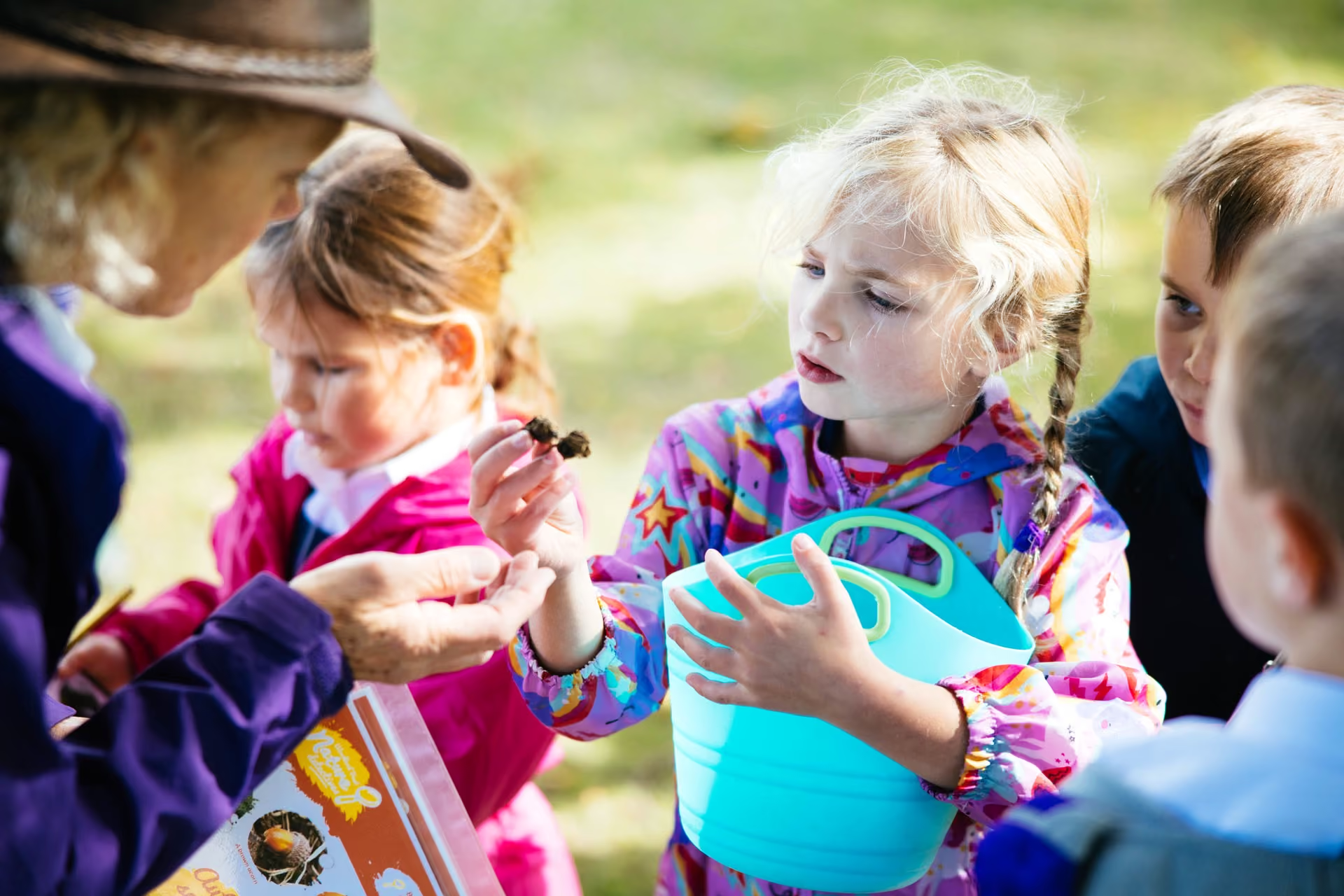
Learning moves outdoors wherever it can, from beach cleans to grounds management. Regular time outside in nature also supports pupils' wellbeing, building resilience and a sense of purpose they bring back into lessons.
From planting to plate
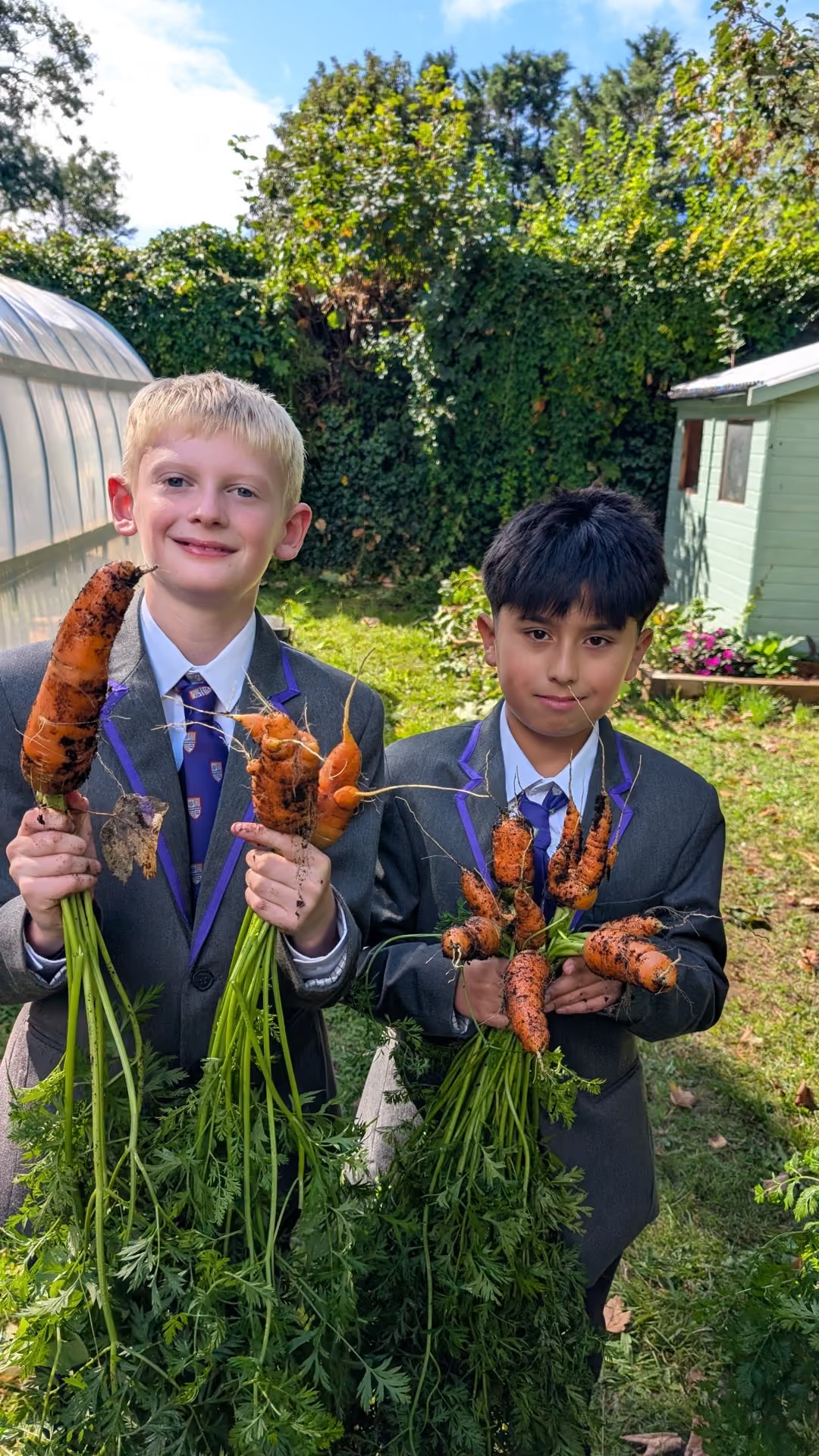
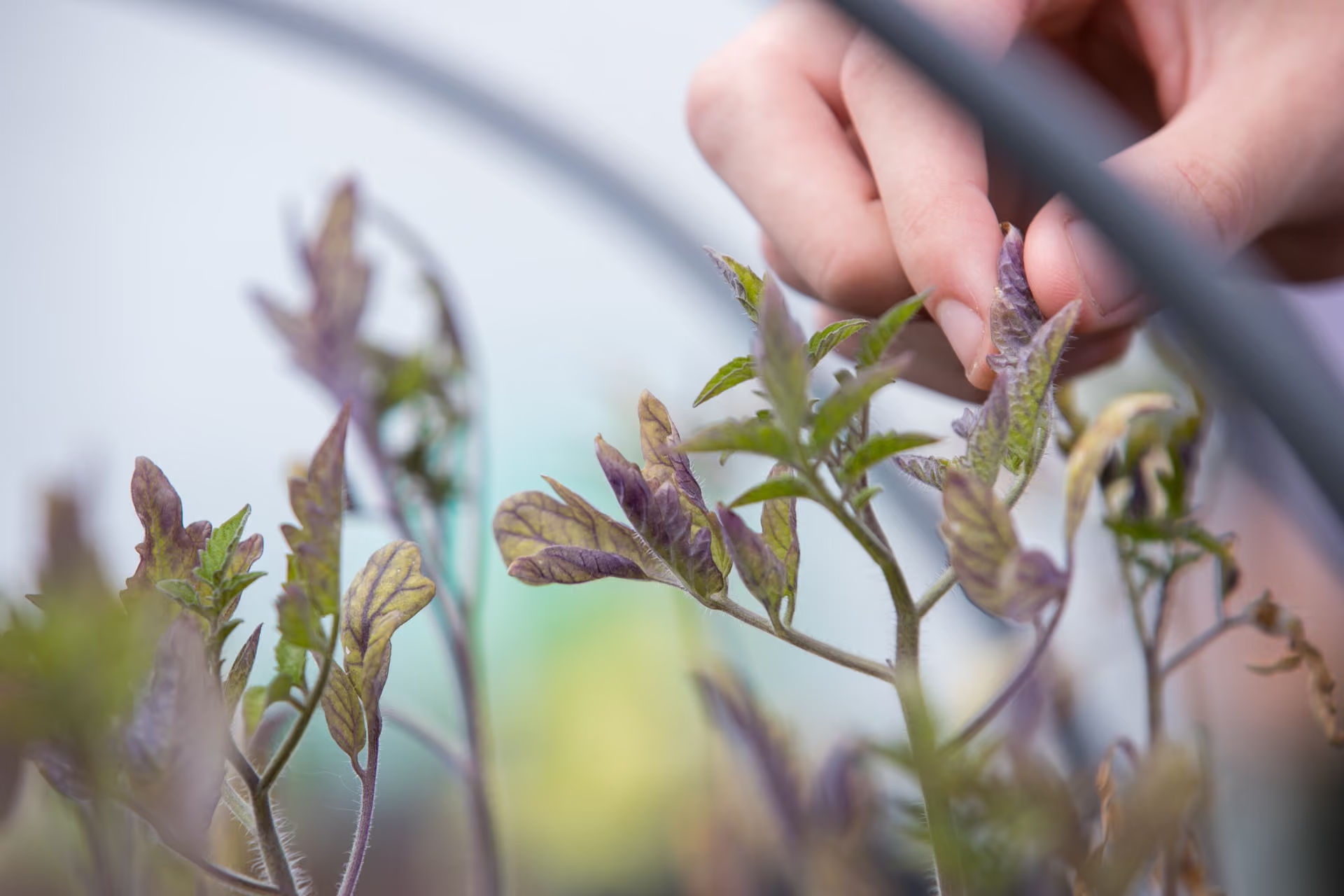
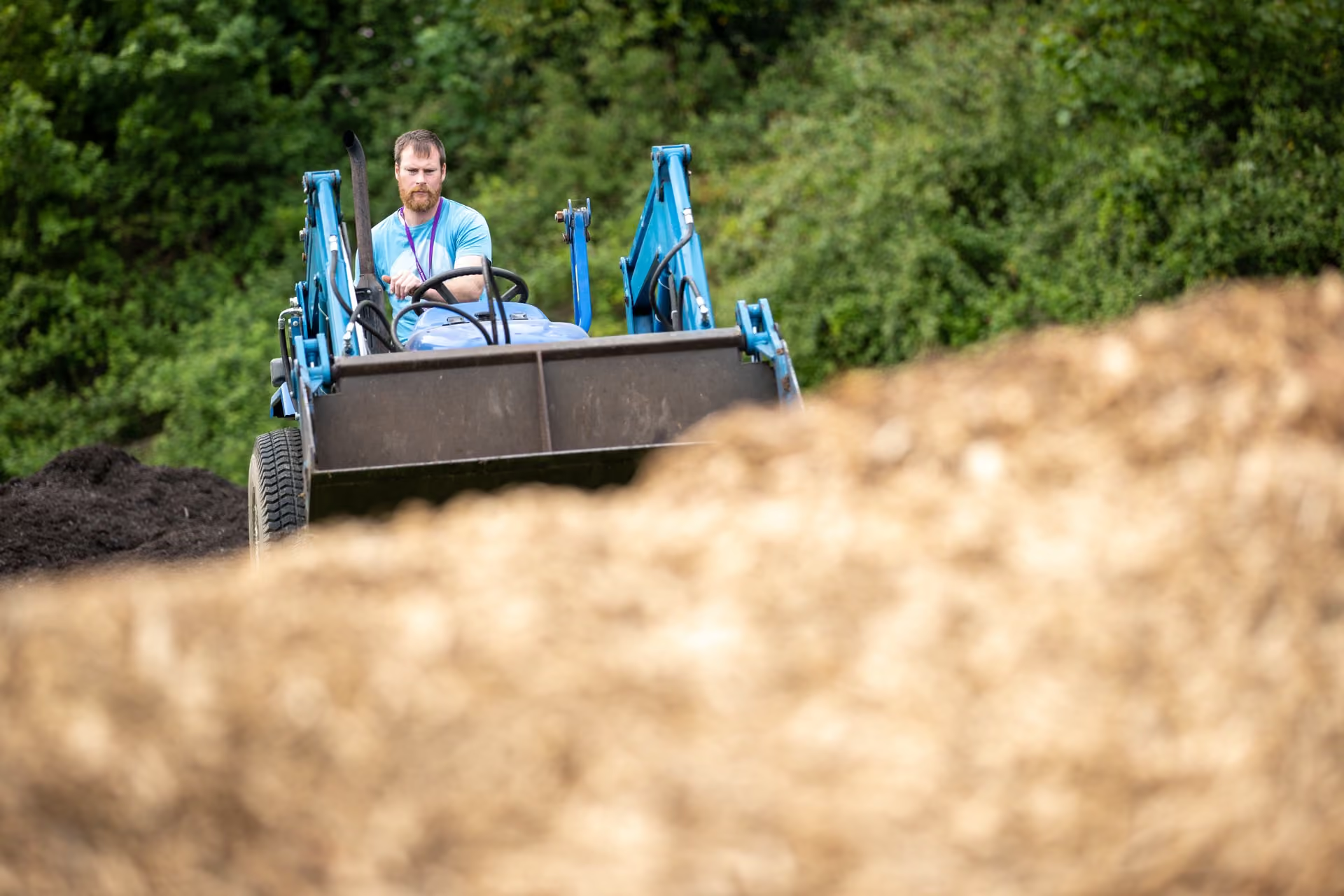
Our commercial-scale market gardens grow nutrient-dense food for pupils and the wider community. The produce supplies the school's hospitality classes and the Dining Hall, where the Earth Centre aims to give every pupil a real understanding of healthy, nutrient-dense food.
Much of the Earth Centre course in Years 7 to 9 takes place in these growing spaces and the ecology zones, with a focus on land stewardship and food production skills.
Ecology zones and rewilding across our grounds
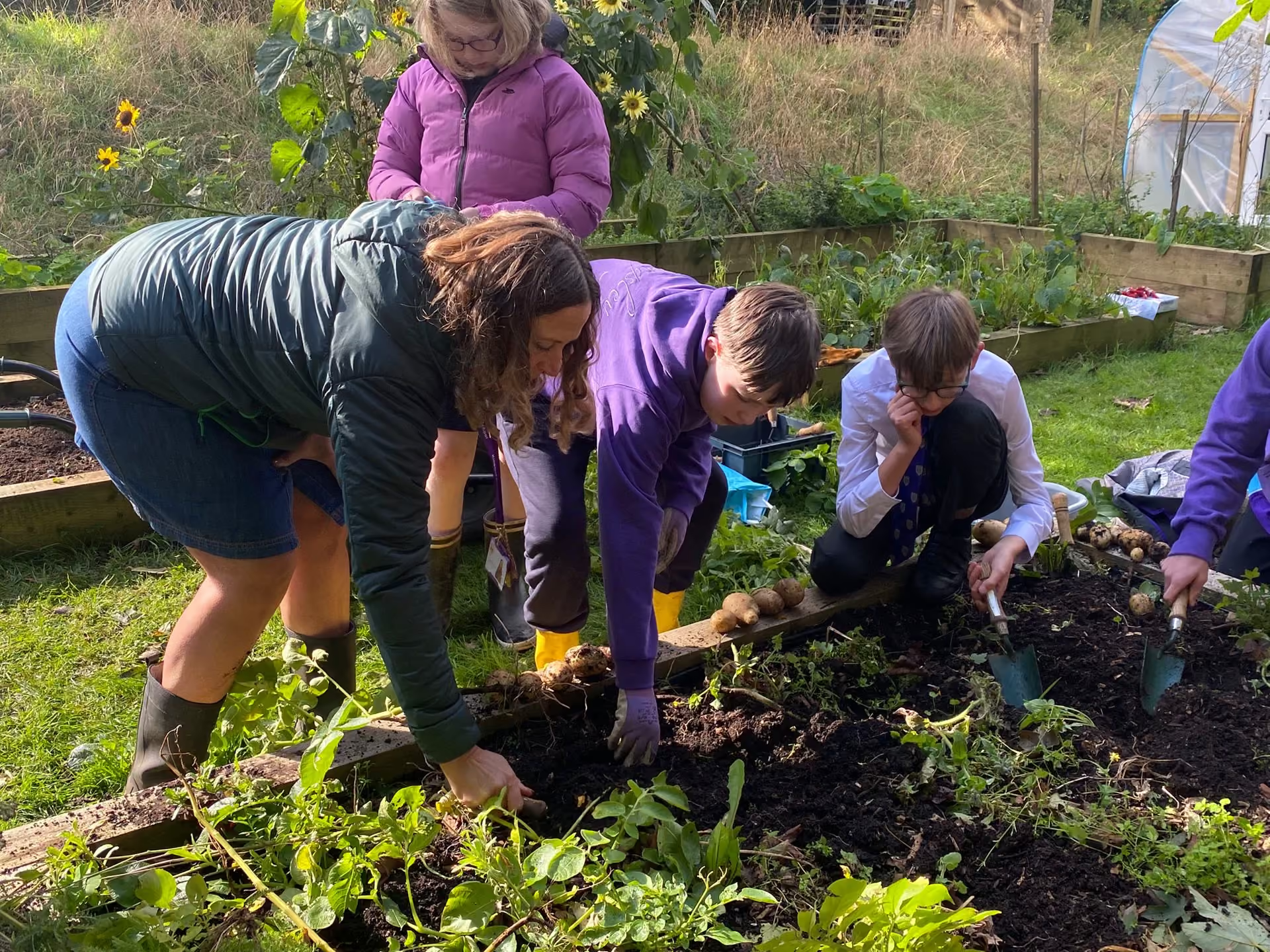
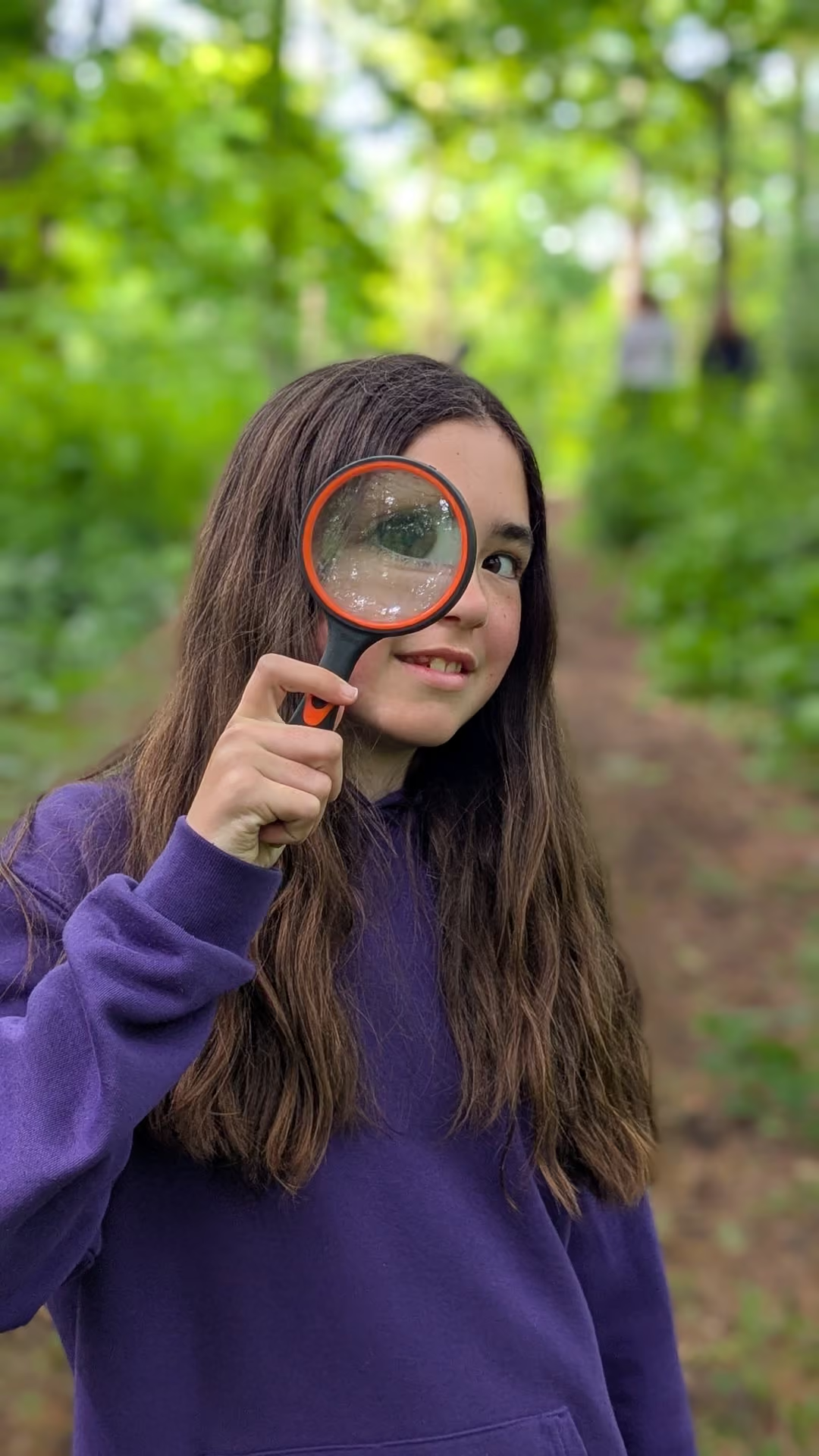
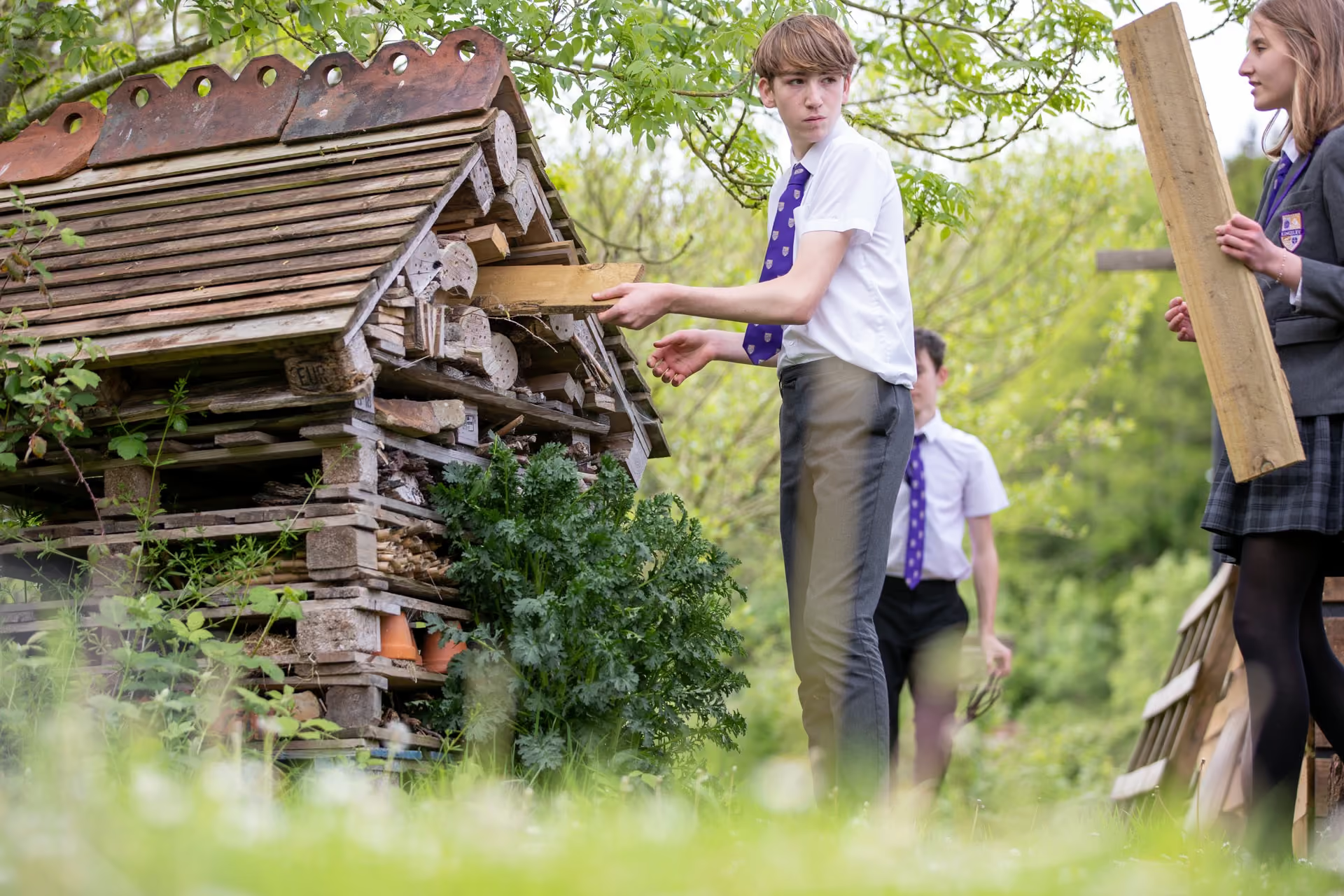
Kingsley's 24 acres include woodland and rewilding projects, and the school is investing in ecology zones to restore biodiversity on site. The award-winning Ecology Zone is supported by specialist staff.
Pupils carry out the school's annual biodiversity audits, recording the wildlife that shares the site and measuring the effect of the rewilding work year on year.
Credit-bearing as well as hands-on
Environmental learning at Kingsley leads to recognised qualifications at each stage. The Earth Centre Pathway page explains how the programme is structured.
The Kingsley Earth Centre Diploma
Kingsley's own diploma in sustainability, with much of the course taught in the market gardens and ecology zones.
HPQ, Environmental Management and Land-based Studies
Pupils can take the Higher Project Qualification, Environmental Management or Land-based Studies, the last of which is taught through practical plant growing and care.
Extended Project Qualification
Sixth Form students can research an environmental question of their own through the EPQ, which carries UCAS points.
Gardens, grounds and coast
An award-winning approach to sustainability
Kingsley holds the Eco School Green Flag Award with Distinction for 2024-2025, after a Distinction in 2023-2024. The school's environmental work has also earned the ISA 2024 Award for Excellence in Sustainability, the Education Business Awards Environmental Practice Award, the School of the Year 2023 Green Award and the Woodland Trust Green Tree Award.
Kingsley is a Surfers Against Sewage Plastic Free School, A Let's Go Zero School and a Devon Climate Plan Declaration Signatory, and the Earth Centre aims for the school to be carbon neutral by 2027.
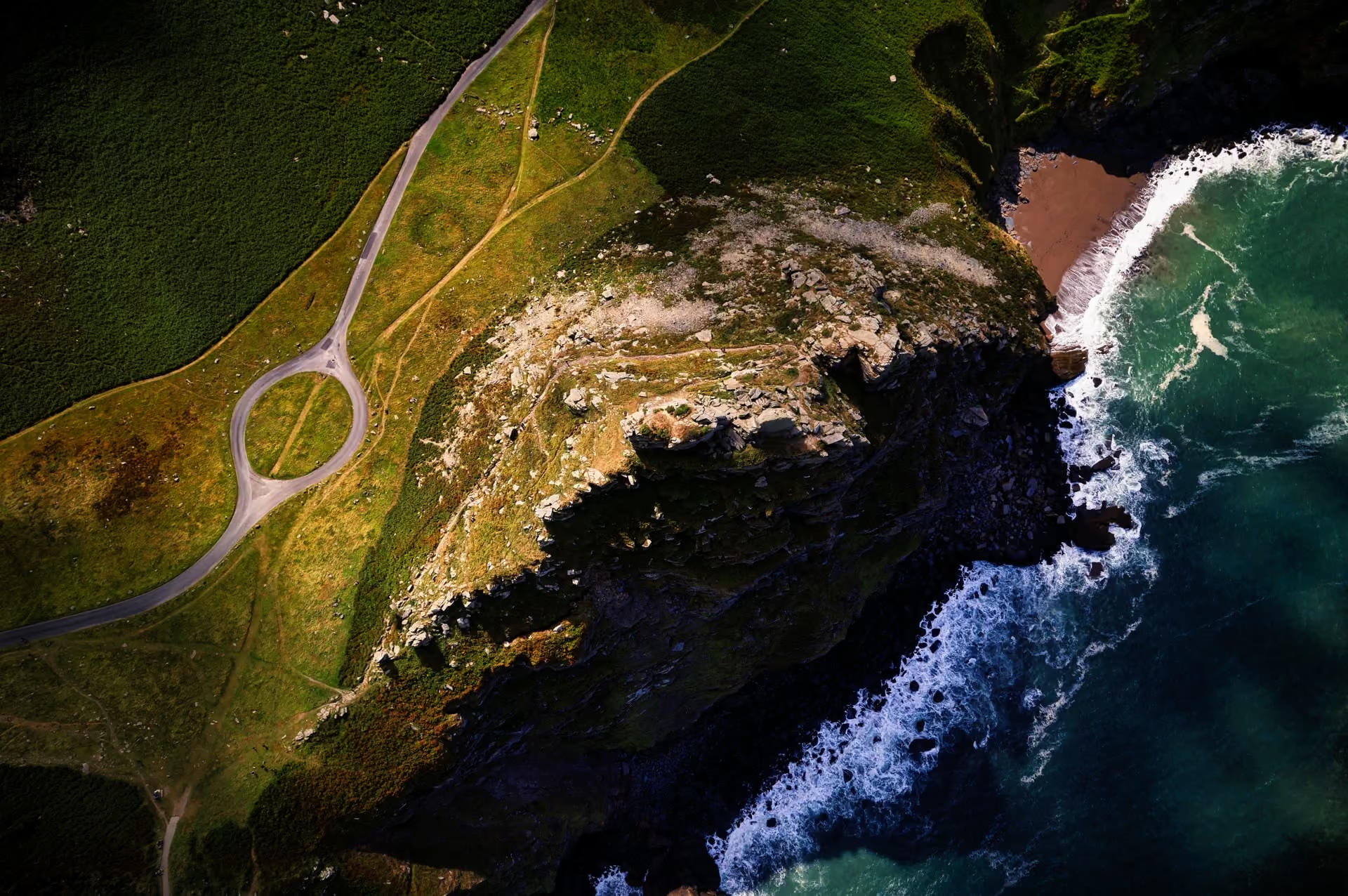
The school sits within the UNESCO Biosphere of North Devon and in one of only 14 World Surf Reserves worldwide. As a UNESCO North Devon Biosphere Partner, Kingsley uses the coast and countryside around it as an everyday classroom.
Frequently asked questions
Is Kingsley an Eco School Green Flag school?
Yes. Kingsley School holds the Eco School Green Flag Award with Distinction for 2024-2025, following a Distinction in 2023-2024. Sustainability is built into the curriculum through the Earth Centre, and the school's environmental work has also won the ISA 2024 Award for Excellence in Sustainability.
What is the Earth Centre?
The Earth Centre is Kingsley School's approach to environmental sustainability, which the school describes as the cornerstone of a Kingsley education. It focuses on climate action, biodiversity restoration and nutrition, and it runs through lessons from Key Stage 1 to Key Stage 5 and out into the school's market gardens, ecology zones and rewilding projects.
What environmental qualifications can pupils take?
Pupils in Years 7 to 9 work towards the Kingsley Earth Centre Diploma. In Years 10 and 11 they can take the Higher Project Qualification, Environmental Management or Land-based Studies, and in Years 12 and 13 students can take the Extended Project Qualification. The Earth Centre Pathway page explains how these qualifications fit together.
 Northdown Road, Bideford