
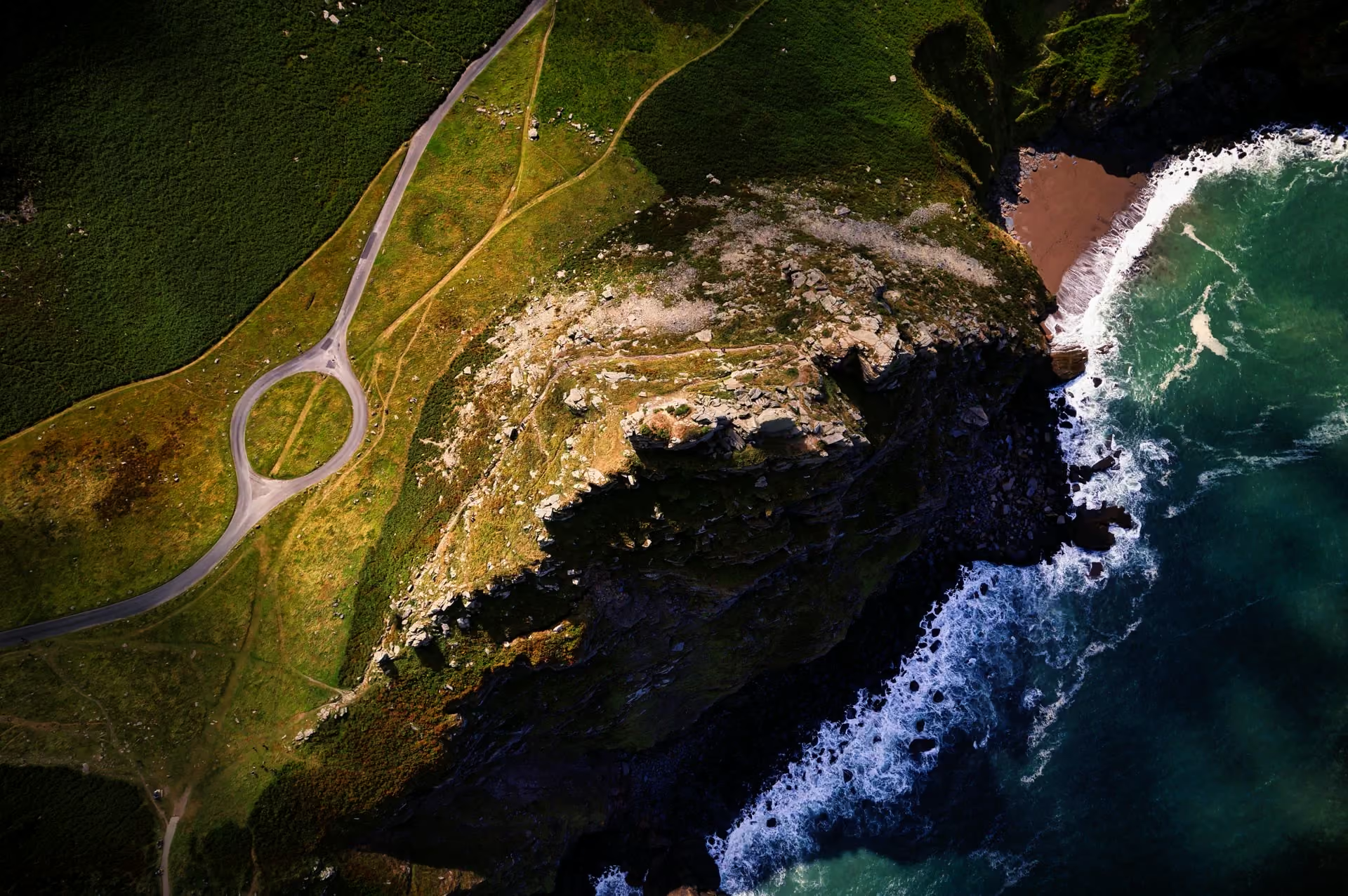
An area recognised for its environment, and for how people live within it sustainably
A UNESCO biosphere reserve is a designated area that shows how nature conservation and sustainable development can work hand in hand. North Devon became the UK's first in 1976. Its core is the Braunton Burrows sand dune system, its buffer zone is largely the Taw Torridge Estuary as far as Barnstaple and Bideford, and its wider transition area takes in the rivers draining to the North Devon coast and the sea around Lundy. Kingsley School is a recognised UNESCO North Devon Biosphere Partner.
We value our location in the Biosphere because it gives students distinctive opportunities to study and appreciate the environment and ecology on their doorstep, from the school grounds to the North Devon coast.
Our own Ecology Zone
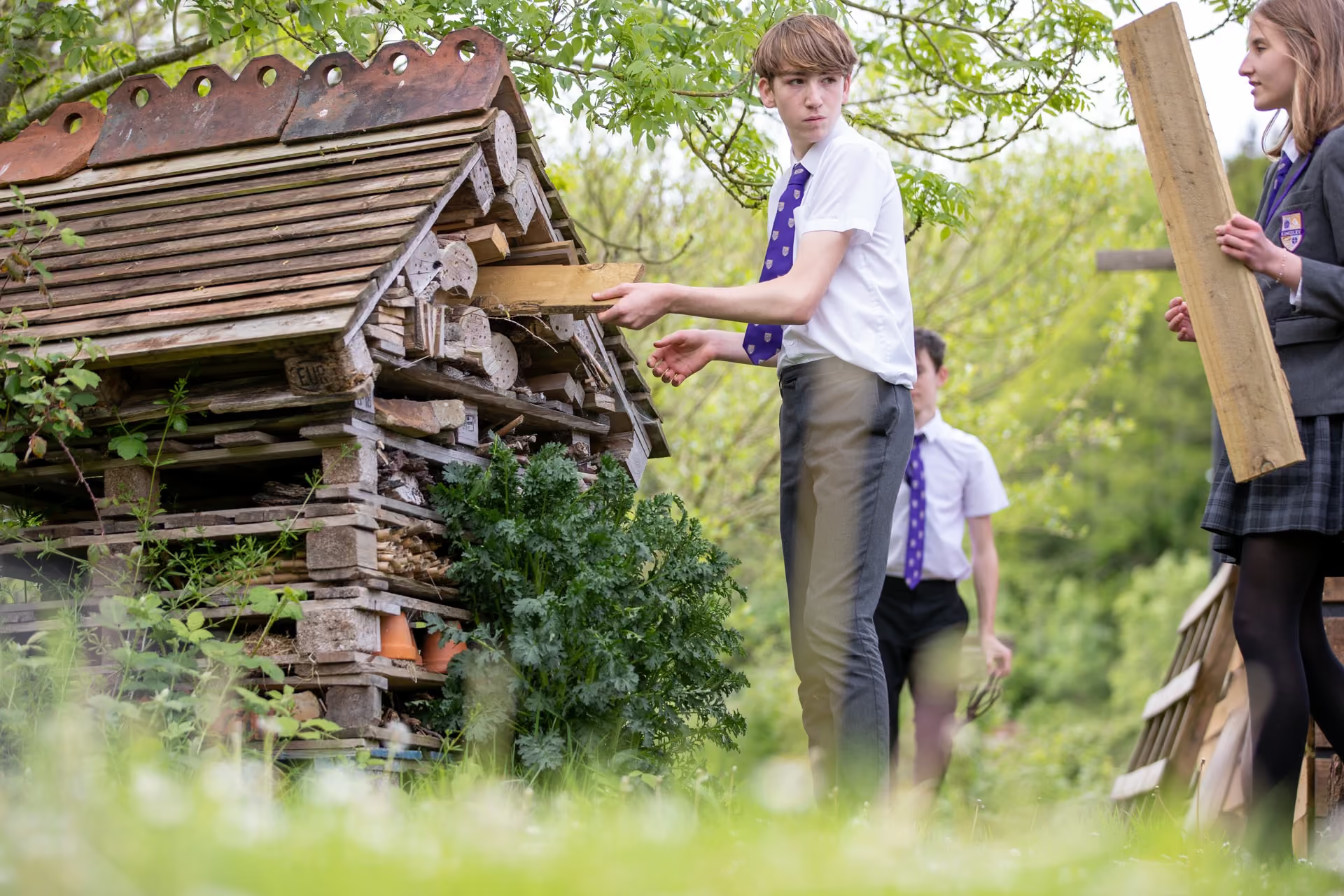
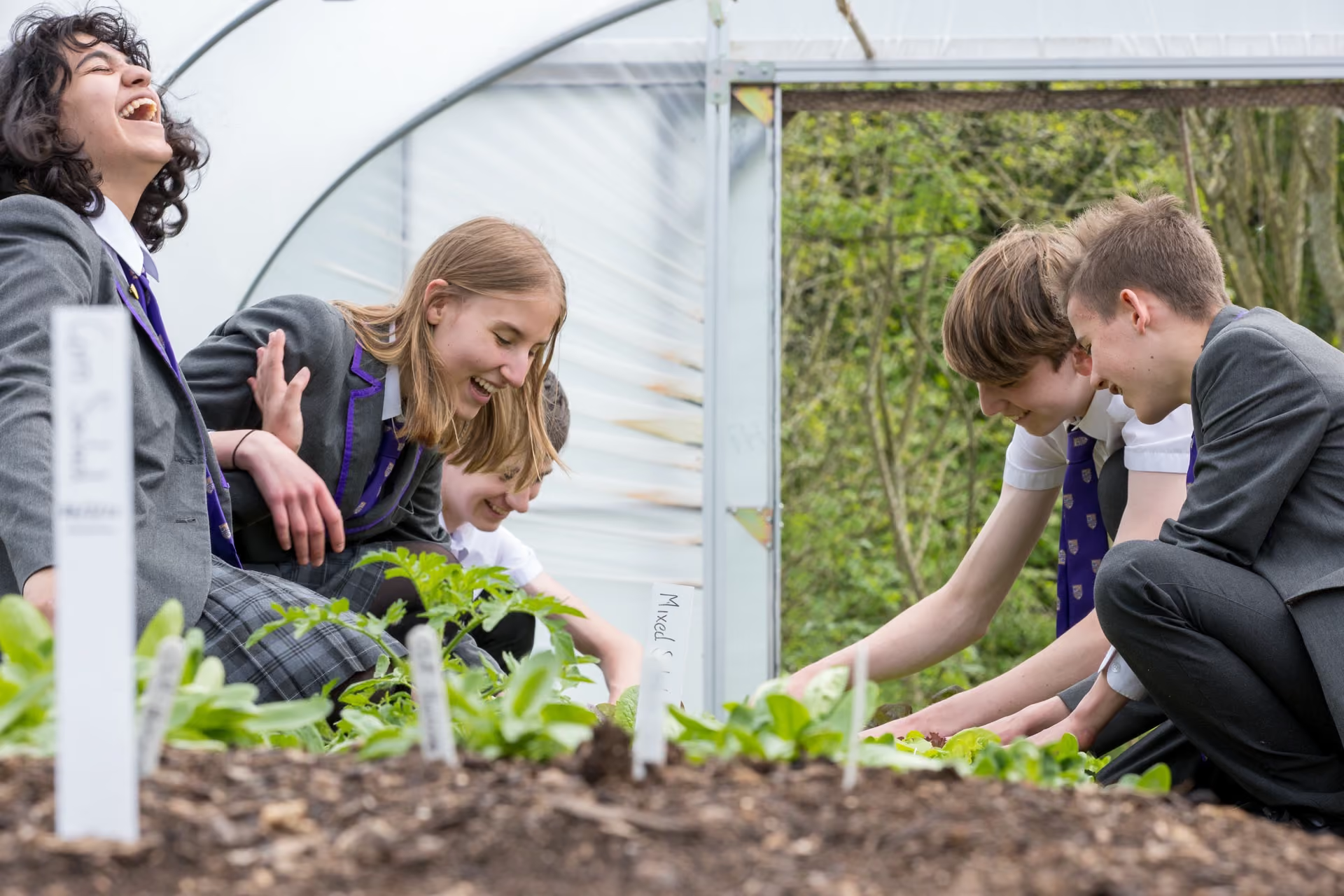
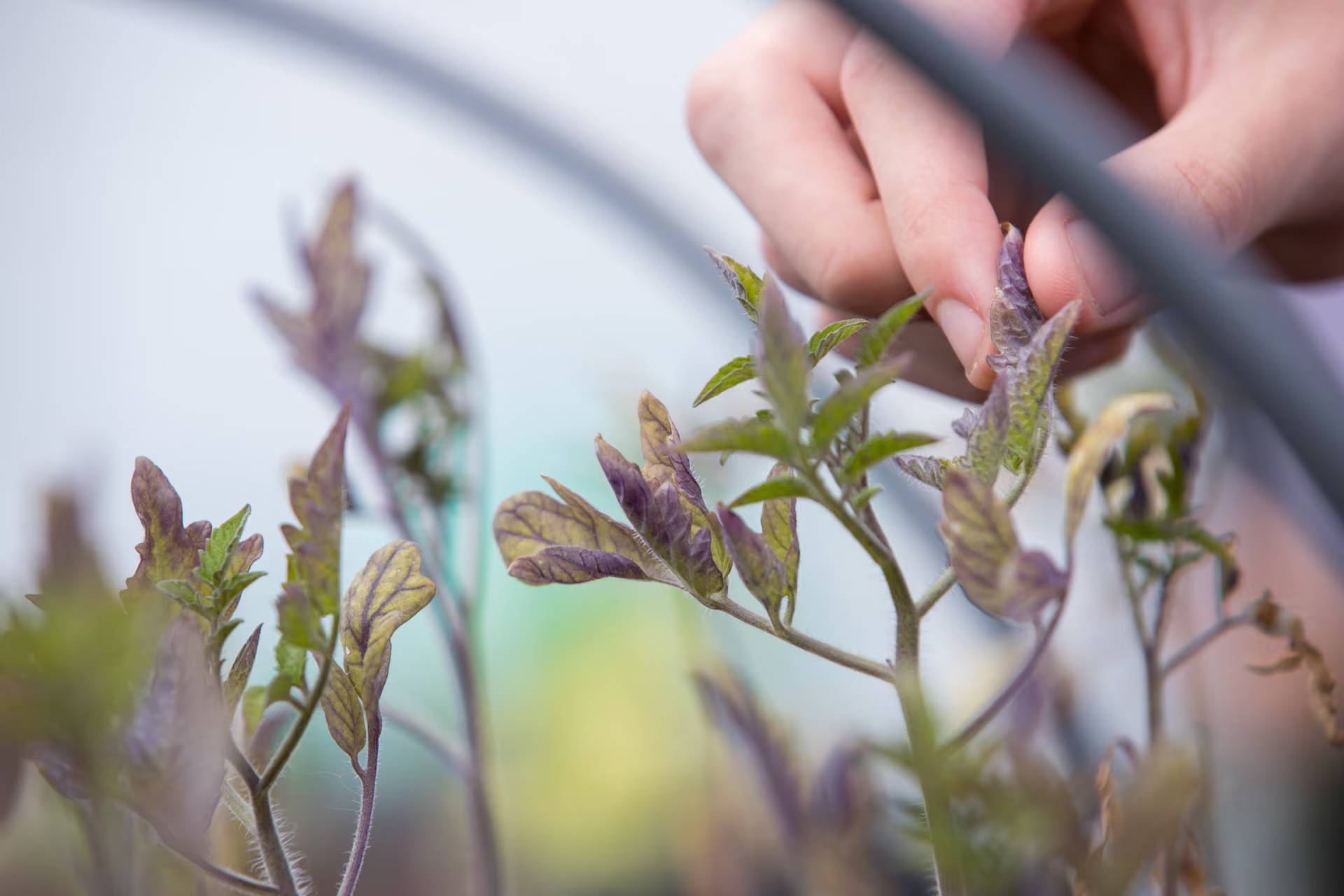
Much of our Earth Centre teaching takes place outdoors in the school's on-site ecology zones, where students learn practical skills in stewardship of the land and food production.
Our award-winning Earth Centre and Ecology Zone sit alongside commercial-scale market gardens that grow nutrient-dense, healthy food for the school. The impact of this work on the environment is measured through annual biodiversity audits.
Learning in a World Surf Reserve
Kingsley is the first school in Europe to fully integrate surfing into education. Students from Year 7 to Year 10 enjoy an average of 10 surf sessions a year, included in school fees, and Coastal Adventures within Outdoor Education takes their learning further along the North Devon coast.
Care for the coastline runs through this work, and Kingsley holds Surfers Against Sewage Plastic Free Schools status. In 2026 the school was named UK Surf School of the Year at the Wavelength UK Surfer Awards.
Sustainability carried through to formal qualifications
Environmental sustainability is the cornerstone of a Kingsley education. It is part of both the Core Curriculum inside the classroom and the Expansive Curriculum outside it, so every student engages with it across their time at the school.
Students in Years 7 to 9 complete the Kingsley Earth Centre Diploma. In Years 10 and 11 the options include the Higher Project Qualification, Environmental Management and Land-based Studies, and in the Sixth Form the Extended Project Qualification encourages students to focus on one of the 17 UNESCO Sustainability Goals.

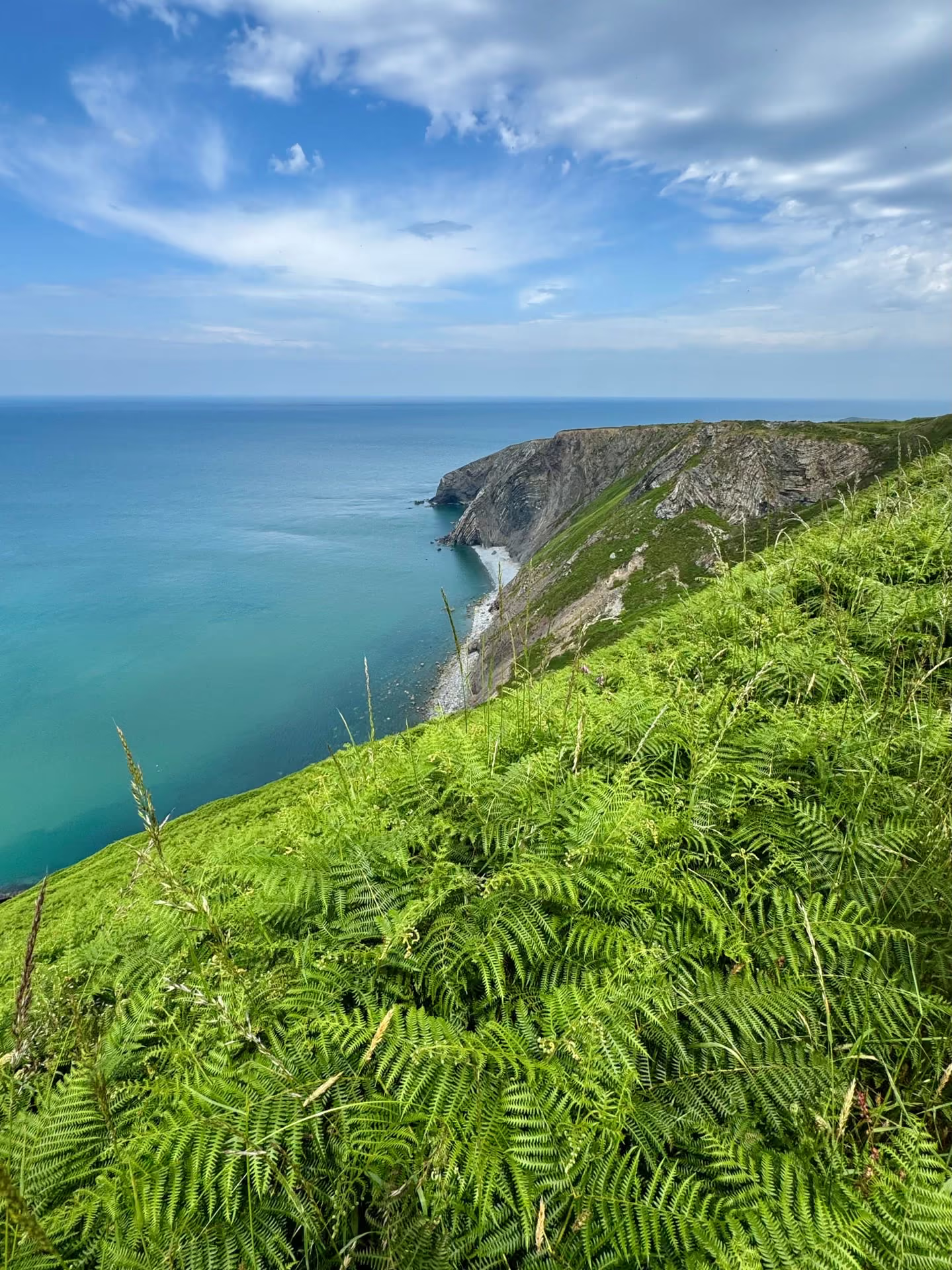
We value our unique location in the UNESCO Biosphere of North Devon and in one of only 14 World Surf Reserves worldwide.
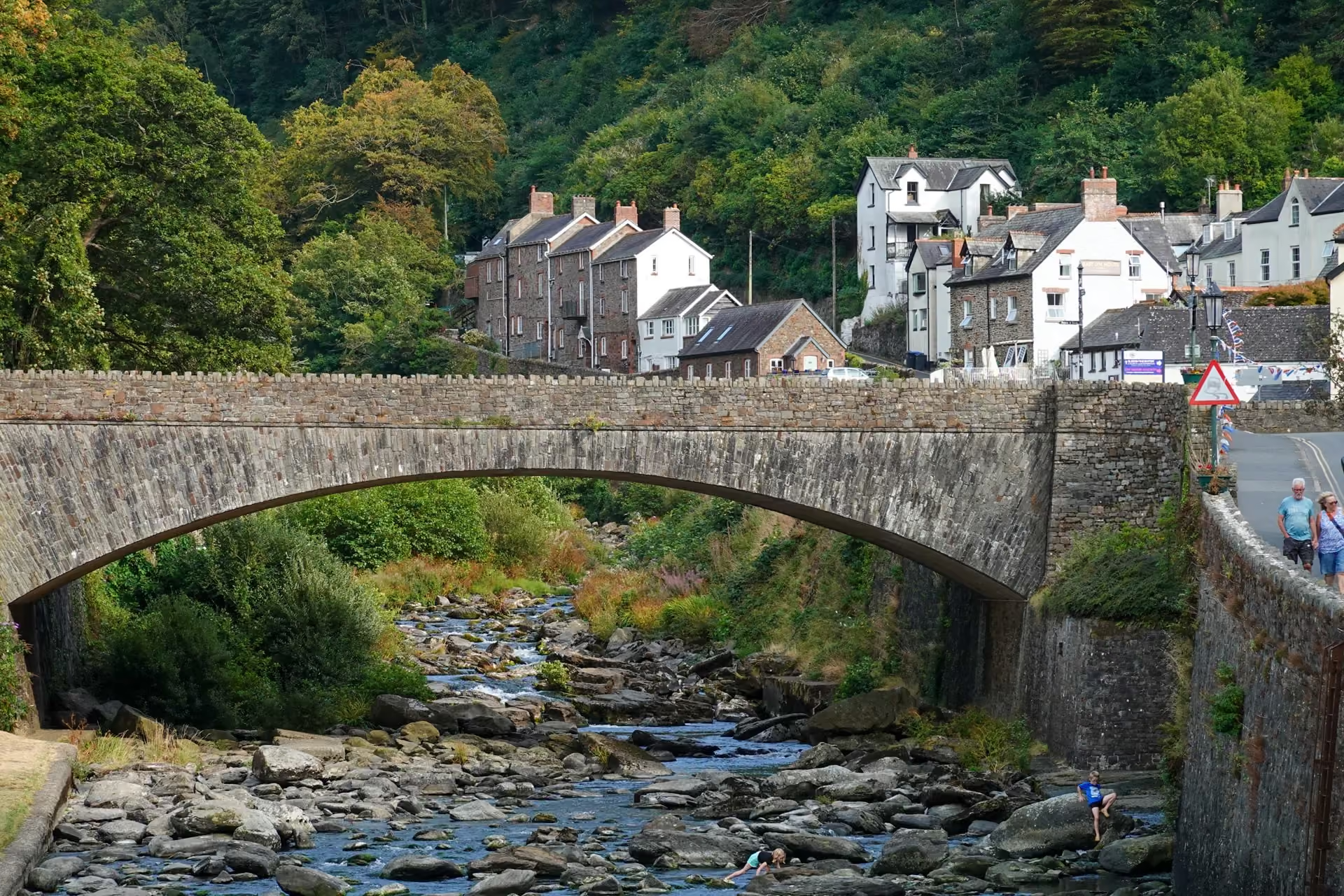
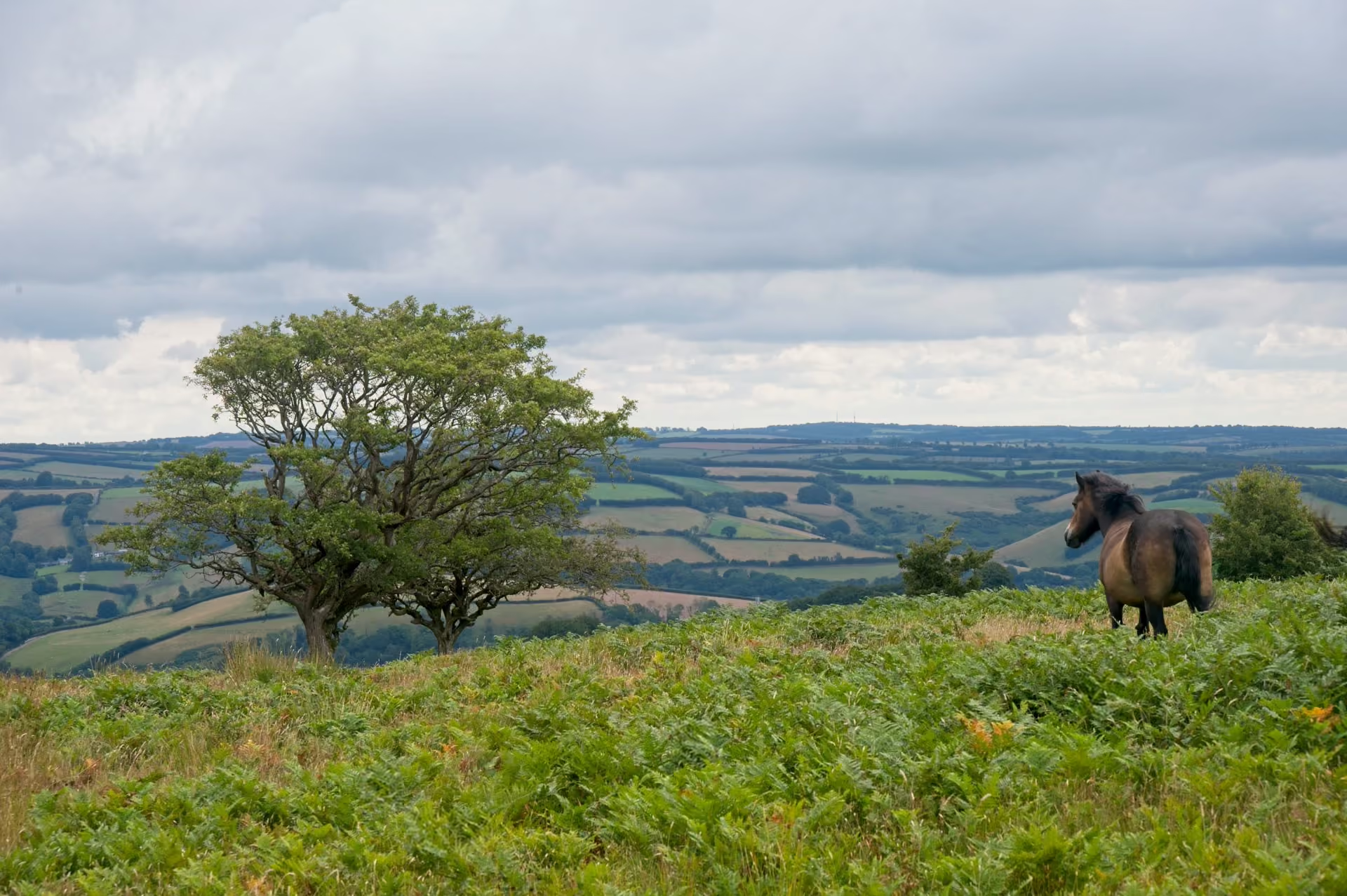
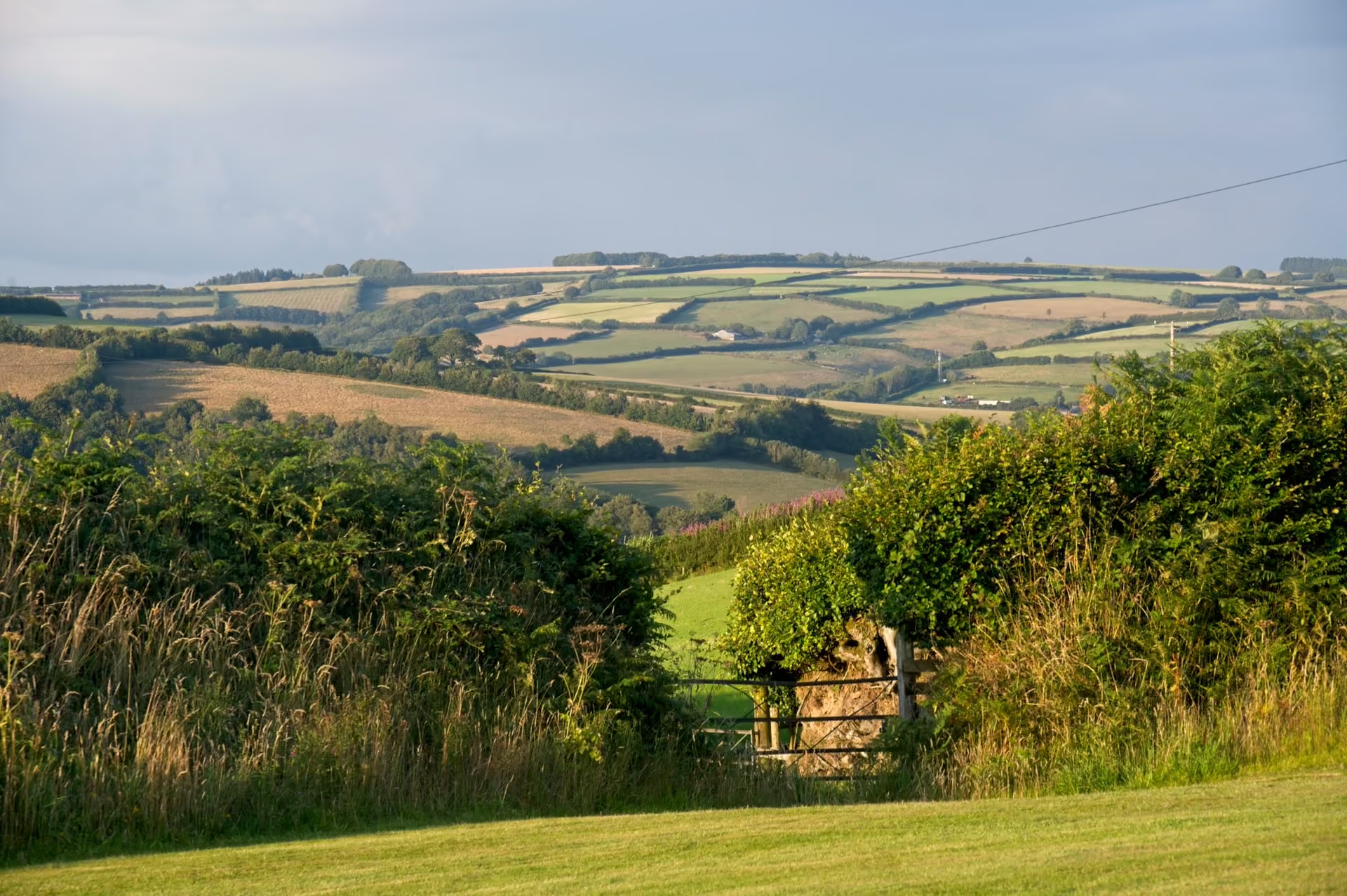
Woodland, rewilding and the North Devon coast
Frequently asked questions
What is the North Devon Biosphere?
The North Devon Biosphere is a UNESCO biosphere reserve, an area recognised for showing how nature conservation and sustainable development can work together. Designated in 1976, it was the UK's first. It covers 5,262 square kilometres of estuaries, farmland, moorland, coast and sea, with Braunton Burrows at its core and the Taw Torridge Estuary around Bideford as its buffer zone. Kingsley School in Bideford lies within the Biosphere and is a UNESCO North Devon Biosphere Partner.
How does the location benefit pupils?
Kingsley's place in the UNESCO North Devon Biosphere and in one of only 14 World Surf Reserves shapes how the school teaches. Students learn in the on-site ecology zones and market gardens, surf as part of the curriculum, and can take their interest through to qualifications such as the Kingsley Earth Centre Diploma and the Extended Project Qualification.

 Northdown Road, Bideford